
How to Prevent Mould Growth in Rental Homes
Mould is rarely just a decorating issue. A few black spots around a window or behind a wardrobe can quickly become a complaint, a failed check-out, damaged finishes and a longer void period. To prevent mould growth, landlords and property managers need to control moisture early, identify the true cause and make sure the property can be used and ventilated properly.
For managed homes, the most effective approach is practical rather than cosmetic. Cleaning visible mould matters, but it will return if damp air, a hidden leak, poor extraction or cold surfaces are left unresolved.
Start by finding the source of moisture
Mould needs moisture, a surface to settle on and limited airflow. Properties provide plenty of surfaces, so the key task is working out where excess moisture is coming from.
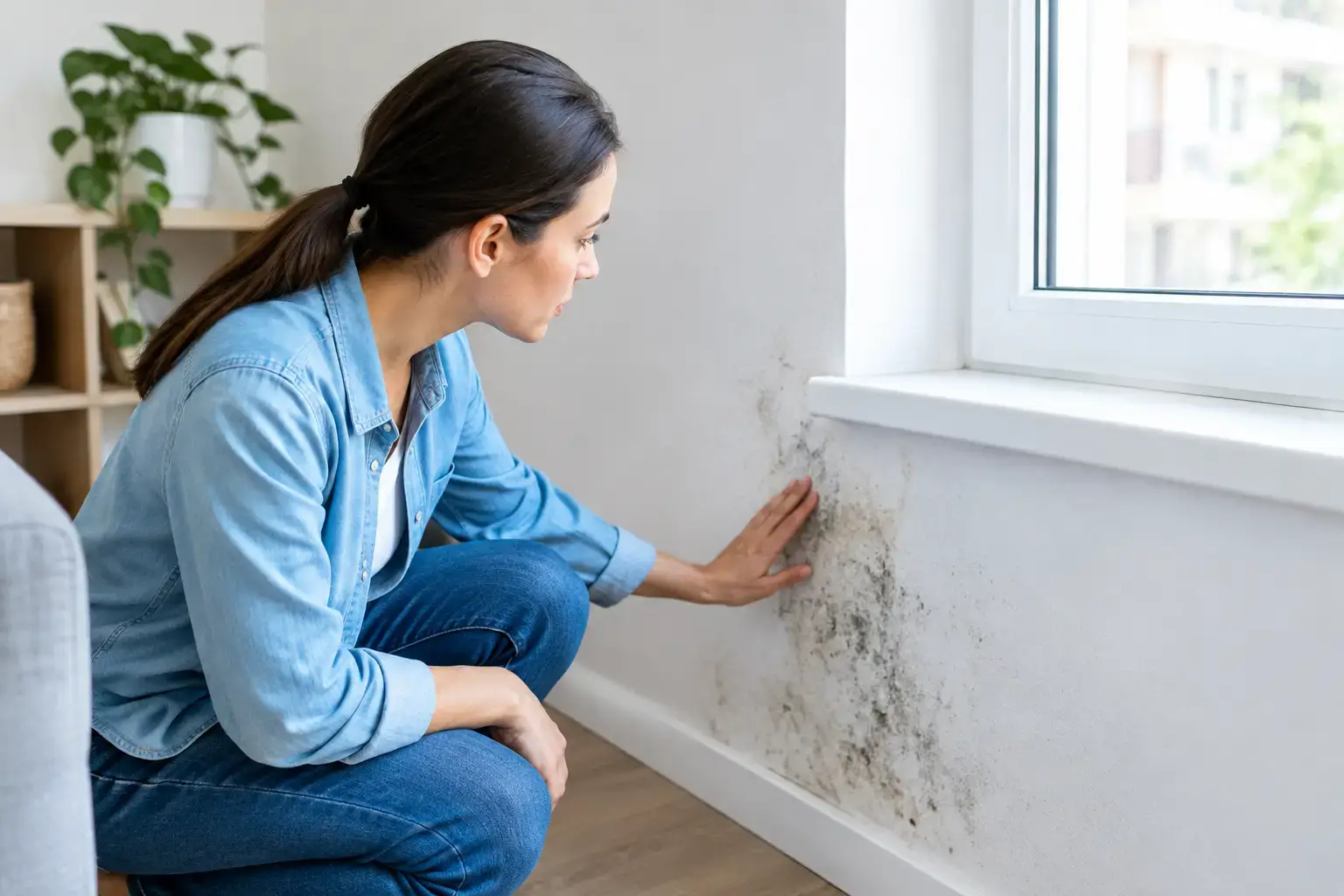
In many rental homes, condensation is the main cause. Everyday activities such as showering, cooking, drying clothes indoors and even sleeping release water vapour into the air. When that warm, moist air reaches a cold window, external wall or uninsulated corner, it condenses into water droplets. Repeated condensation creates the conditions mould needs.
However, condensation should not be assumed without checking. A leaking pipe, failed sealant around a bath, damaged guttering, roof defect, overflowing drain or penetrating damp can all create localised mould. The pattern often gives a useful clue. Condensation commonly appears on window reveals, outside-facing walls, ceilings and behind large furniture. A concentrated patch that worsens after rain or sits below plumbing may point to a building or repair issue instead.
A prompt inspection avoids wasted work. Repainting a stained wall before repairing the water ingress may improve appearance briefly, but it does not protect the property or resolve the tenant’s concern.
Keep bathrooms and kitchens ventilated
Bathrooms and kitchens generate the highest levels of moisture in most homes. Good extraction is not an optional extra in these rooms. It is a basic part of keeping a property safe, dry and occupation-ready.
Check that extractor fans are fitted where needed, operational and venting effectively to the outside. A fan that is noisy but weak, clogged with dust or disconnected from its ducting will not remove sufficient humid air. Fans should continue running for an appropriate period after the light is switched off, particularly in bathrooms without opening windows.
In kitchens, use of a cooker hood can make a real difference, provided it is maintained and not simply recirculating air without suitable filters. Tenants should also be able to open windows safely where possible. Trickle vents should not be painted shut or blocked, and damaged window handles or restrictors should be repaired so ventilation is usable in practice.
There is a balance to strike. Leaving windows open all day may not be realistic in cold weather, ground-floor homes or properties near busy roads. Short, regular ventilation after showers and cooking is usually more achievable and causes less heat loss than trying to air a home constantly.
Maintain a steady indoor temperature
Cold surfaces are more likely to attract condensation. This is why mould often develops in unheated corners, around window frames and on external walls behind furniture.
A consistently low background temperature can make the problem worse, especially in older properties with poorer insulation. Encourage occupants to heat rooms at a steady, manageable level rather than allowing the property to become very cold and then heating it intensely for a short time. The right approach will depend on the building, the heating system and the occupier’s circumstances, but the aim is to reduce sharp swings in temperature.
Landlords should also check that the heating system is capable of warming the home adequately. Radiators that do not heat evenly, faulty thermostats, draughty doors, failed double glazing and missing loft insulation all contribute to cold surfaces. Addressing these faults can be more effective than repeatedly treating mould once it appears.
Reduce hidden condensation behind furniture
Mould is often found where air cannot circulate. Large wardrobes pushed tightly against an outside wall, beds placed against cold corners and stored belongings packed into cupboards can trap humid air against a cold surface.
During inspections, look beyond the obvious areas. Check behind wardrobes, inside fitted cupboards, around window reveals, under sinks and near external corners. If furniture is causing restricted airflow, advise occupants to leave a small gap between it and the wall. This is particularly useful in bedrooms, where overnight moisture builds up and external walls can remain cold.
For empty properties, do not overlook ventilation and heating simply because nobody is living there. Void homes can still develop damp and mould, particularly after a leak, a period of wet weather or a winter shutdown. Regular checks during a void protect finishes and prevent a small defect becoming a refurbishment job.
Deal with leaks and defects without delay
Reactive repairs are central to mould prevention. Even a slow leak beneath a basin or a cracked shower seal can keep surrounding materials damp for weeks. By the time mould is visible, moisture may already have affected plasterboard, flooring, cabinetry or adjacent rooms.
A clear reporting route helps tenants raise problems early. They should know to report persistent condensation, broken extractor fans, water marks, leaks and damaged seals rather than waiting for a routine inspection. Fast response is not just good service – it limits damage, reduces disruption and helps maintain a clear record of the issue and repair.
Common maintenance checks include roof coverings and flashings, gutters and downpipes, external pointing, window seals, plumbing connections, bath and shower sealant, waste pipes and appliance hoses. In blocks or converted properties, the source may be outside the individual flat, so inspection should consider neighbouring plumbing and shared building elements where relevant.
Clean mould safely, then repair the cause
Small areas of surface mould can often be cleaned once the moisture source has been addressed. Wear suitable gloves, ventilate the room and follow the cleaning product instructions. Avoid dry brushing mould, as this can disturb spores and spread them further around the room.
Where mould is widespread, keeps returning, has affected porous materials or appears linked to a leak or structural damp, a more thorough assessment is needed. Damaged plasterboard, insulation, flooring or sealant may need replacing rather than covering over. Painting over untreated mould is a short-term visual fix and can make it harder to monitor whether the underlying issue has returned.
After repairs and cleaning, allow the affected area to dry fully. Then use finishes suited to the room. In bathrooms and kitchens, appropriate preparation, stain treatment and durable coatings give a better result than applying ordinary paint straight onto a damp or contaminated surface.
Set clear expectations with tenants
Preventing mould works best when landlords meet their repair responsibilities and occupants understand how to manage everyday moisture. This should never be reduced to blaming tenants. Some causes sit firmly with the building: inadequate extraction, leaks, insulation defects and failed heating must be investigated and repaired properly.
At the same time, a concise move-in guide can help occupants use the property effectively. Explain how to operate the heating and extractor fans, where trickle vents are located, why clothes should not be dried on radiators where possible and how to report warning signs early. A friendly, practical conversation at the start of a tenancy can prevent confusion later.
Keep records of inspections, reported issues, photographs, repairs and any advice provided. This supports good property management and helps identify repeat patterns across a portfolio. If several homes show mould in the same type of room, the issue may be a specification or maintenance problem rather than an isolated tenant concern.
Build mould prevention into planned maintenance
The lowest-cost time to address mould risks is usually between tenancies or during planned refurbishment. When a room is empty, it is easier to inspect behind furniture, renew failed sealant, improve extraction, repair surfaces and redecorate correctly without disrupting an occupier.
For landlords and agents across East Sussex, coordinating these checks with void cleaning, decorating, electrical work and general repairs can shorten turnaround times while improving the condition of the property. Action Property Group can support this joined-up approach, from identifying repair issues to completing the maintenance work needed before handover.
A dry, well-ventilated property is easier to let, easier to maintain and more comfortable to live in. Treat the first signs of moisture as a maintenance priority, and the work required is usually simpler, faster and far less disruptive.



No Comments