
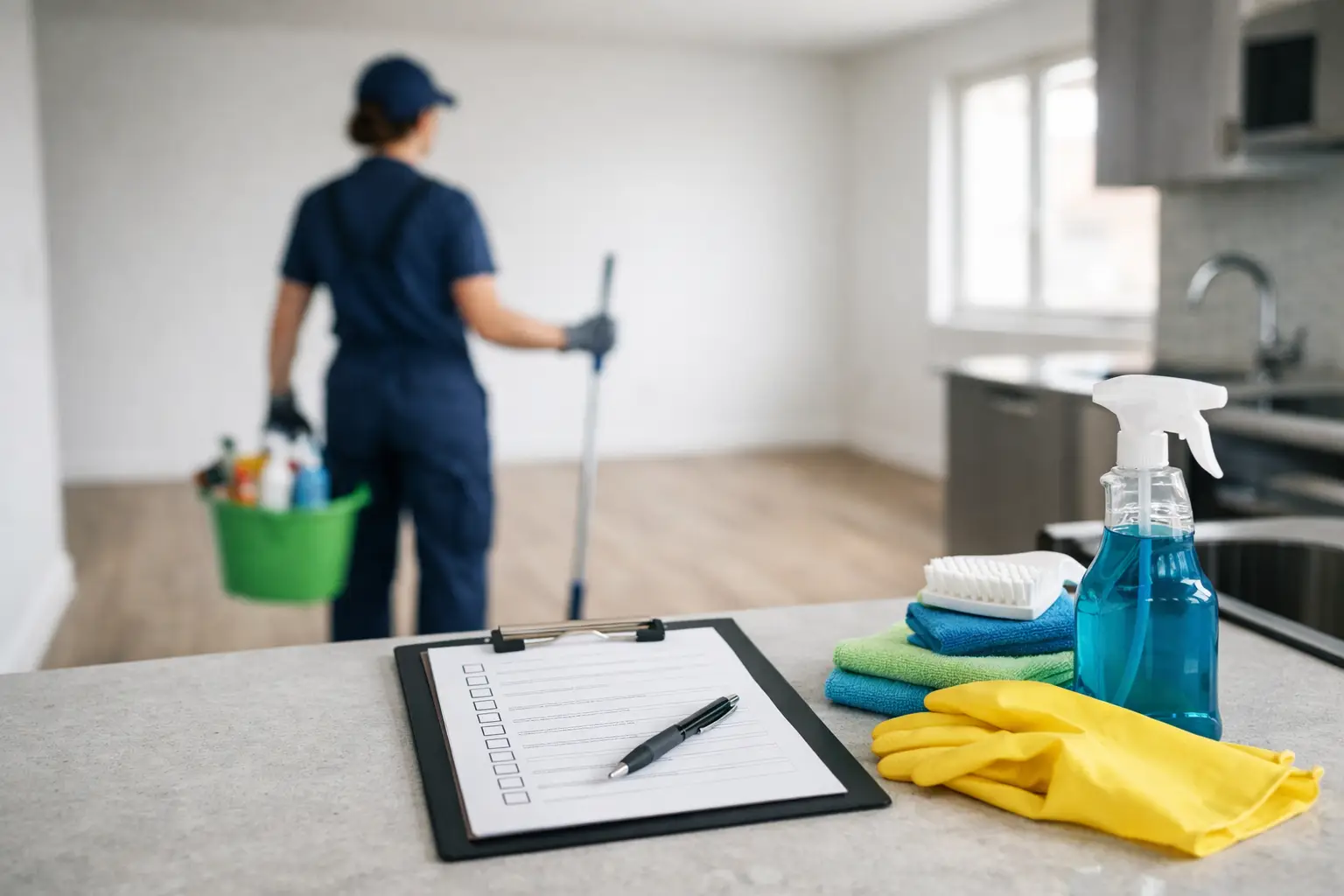
Void Property Cleaning Checklist for Fast Turnarounds
A vacant property can look ready at first glance, yet still fail an inspection, delay repairs or create a poor first impression for incoming tenants. This void property cleaning checklist helps landlords, letting agents and property managers prepare an empty home properly, while identifying the work that should be completed before the next handover.
Cleaning a void is not simply an end-of-tenancy task. It is an opportunity to assess condition, deal with damage, reduce health and safety risks and make sure the property is ready for occupation. A methodical approach prevents rushed decisions at the point a new tenant is due to move in.
Start with a Safe, Documented Handover
Before cleaning starts, carry out a full walk-through and take dated photographs of every room, including cupboards, appliances, meters, gardens and outbuildings. Compare the property with the previous inventory where available. This creates a clear record of its condition and helps separate cleaning requirements from maintenance, damage and refurbishment works.
The property should be secured before contractors enter. Check external doors, windows, gates, garages and sheds, and arrange lock changes where keys may be unaccounted for. If the property has been empty for some time, look for signs of attempted entry, water ingress, pests or vandalism.
Services also need attention. Confirm whether gas, electricity and water are safe to use before cleaning equipment is connected. Where there is any concern about an electrical installation, damaged sockets, exposed wiring or damp near electrics, stop and arrange a qualified inspection. Cleaning should never conceal a safety issue that needs repair.
Void Property Cleaning Checklist: Room by Room
A room-by-room method keeps standards consistent, particularly across larger portfolios. Work from high surfaces to low surfaces and from the furthest room towards the exit, so cleaned areas are not walked through unnecessarily.
Kitchen
The kitchen is often the most time-consuming part of a void clean because grease, food residue and limescale build up quickly. Empty all cupboards and drawers, then clean inside, outside, handles, hinges and kickboards. Pay close attention to the top of wall units, extractor hood filters and the space behind appliances.
Clean and disinfect worktops, splashbacks, sinks, taps and draining boards. Limescale around taps and on tiles should be treated rather than painted over or ignored. Check silicone seals around sinks for mould, splits or lifting edges. Failed sealant can lead to water damage and may need replacing before the property is let again.
Appliances should be cleaned internally and externally, including the oven, hob, extractor, fridge, freezer, dishwasher and washing machine if supplied. Defrost appliances safely and check that doors, shelves, seals and controls are intact. A clean oven is not necessarily a working oven, so test appliances separately and record faults for repair or replacement.
Bathrooms and WCs
Bathrooms require a close check for hygiene, mould and leaks. Clean the toilet, basin, bath, shower tray, screens, taps, tiles and flooring, including less visible areas around pedestals, behind toilets and under the bath panel where accessible.
Remove limescale from shower heads and taps, and treat mould rather than simply masking it with fragrance or fresh paint. Persistent mould may point to poor extraction, a leak, inadequate heating or a gap in sealant. This is where cleaning and maintenance overlap: the room may look presentable after a clean, but the underlying cause still needs resolving.
Check that extractor fans operate, plugs are fitted, toilet seats are secure and wastes drain freely. Slow drainage, loose fittings and damaged grout should be reported and dealt with before occupation, not left for the first maintenance call from a new tenant.
Living Areas, Bedrooms and Hallways
Remove all remaining belongings, rubbish, fixtures left without agreement and any waste from cupboards, loft hatches or under-stair storage. Vacuum carpets thoroughly, including edges and corners, and arrange professional carpet cleaning where stains, odours or heavy use make it necessary.
Wipe down doors, frames, skirting boards, window ledges, radiators, switches and sockets. Cobwebs, dust on blinds and marks around handles are small details, but they strongly affect how well a property has been prepared. Wash internal glazing where required and clean windows that can be safely accessed.
Inspect walls and ceilings while cleaning. Scuffs may be suitable for washing, while larger marks, holes, peeling paint or nicotine staining may require filling, stain blocking and redecorating. It depends on the property’s condition and expected finish, but minor decorative repairs are usually more cost-effective during a void than after a tenant has moved in.
Floors, Storage and Communal Areas
Hard floors should be swept, washed and dried without leaving excess moisture near timber, laminate joins or thresholds. Check for damaged tiles, lifting vinyl, loose carpet grippers and trip hazards. If flooring is worn beyond cleaning, replacement may offer a better result than repeated spot treatment.
Do not overlook built-in wardrobes, airing cupboards, utility spaces, lofts, cellars and communal corridors. These areas often collect dust, abandoned items and signs of damp or pests. In blocks and shared properties, a clear communal entrance and hallway are part of the overall standard presented to the next occupier.
Check External Areas Before Sign-Off
A void clean should extend beyond the front door. Clear rubbish from gardens, paths, patios, balconies, bin stores and sheds. Remove weeds where they create an unkempt appearance or obstruct access, and cut back overgrowth that affects windows, gates or pathways.
Check gutters, external lighting, fencing, gates and visible brickwork for obvious defects. You do not need to carry out every repair during the cleaning visit, but defects should be logged early so they can be planned before move-in. Standing water, blocked gullies and loose paving can quickly become larger maintenance issues if left unattended.
Bins need particular care. Empty and clean them where possible, confirm collection arrangements and ensure the incoming tenant will not inherit waste or incorrect recycling. This is a simple task that prevents an avoidable complaint on day one.
Separate Cleaning from Repairs and Compliance
A common mistake is treating a void clean as the final stage when it should sit alongside repairs, safety checks and redecoration. Cleaning may reveal cracked tiles, damaged fire doors, missing smoke alarms, leaking traps or failed extractor fans. These should be recorded as action items, not treated as cosmetic issues.
Before re-letting, landlords and managing agents should ensure relevant safety and compliance requirements are up to date. Depending on the property and tenancy, this may include electrical inspection and testing, gas safety checks, smoke and carbon monoxide alarm checks, fire door condition, emergency lighting in communal areas and Legionella risk controls. Requirements vary, so the correct scope depends on the building type, occupancy and services provided.
It is also worth sequencing works carefully. Carry out dusty repairs, plastering, painting and major maintenance before the final clean. If a contractor needs to return after the property has been cleaned, allow for a touch-up clean rather than handing over a home with dust, footprints or paint residue.
Complete a Final Presentation Check
The final inspection should be carried out in good light and, ideally, by someone who has not completed the cleaning. Open cupboards, test lights, run taps briefly and check that each room smells fresh without being heavily perfumed. Confirm that windows are closed and locked, appliances are off where appropriate, keys are labelled and meters have been photographed.
The property should feel cared for, not merely empty. That standard protects the asset, supports a smoother check-in and gives incoming tenants confidence that repairs and maintenance will be handled properly. For managed portfolios across East Sussex, using one dependable contractor for cleaning, repairs, safety work and final presentation can also reduce coordination delays between trades.
A disciplined void process gives every property the best possible start between tenancies. When cleaning is treated as part of readiness rather than a last-minute task, problems are found earlier and handovers become far easier to manage.




No Comments