
Emergency Repairs: Protecting Property When It Matters
A tenant reports water coming through a ceiling at 9pm. A shop cannot secure its front door after a break-in. A consumer unit is tripping repeatedly, leaving part of a property without power. These are not jobs to leave in the maintenance queue. Emergency repairs require a clear response that protects people first, prevents further damage and gets the property back to a safe, usable condition.
For landlords, letting agents, housing associations and business owners, the challenge is rarely just finding someone to attend. It is making the right decision quickly, recording what has happened and coordinating the repair without creating a bigger compliance or occupancy problem.
What counts as an emergency repair?
An emergency repair is a fault or incident that creates an immediate risk to health, safety, security or the fabric of the building. The exact priority depends on the property, who is using it and the nature of the defect. A loose kitchen cupboard door needs attention, but it is unlikely to warrant an out-of-hours call. A damaged fire door that will not close properly may do.
Common examples include serious leaks or burst pipes, loss of electrical safety, insecure external doors or ground-floor windows, blocked drains causing internal flooding, dangerous structural damage, and faults affecting fire safety measures. Heating failure can also be urgent, particularly where there are vulnerable occupants or cold conditions make the property unsafe to occupy.
Not every fault that is inconvenient is an emergency. That distinction matters because it helps property managers deploy the right trade, control costs and keep genuine emergencies at the front of the queue. However, it is better to assess a reported hazard promptly than to dismiss it based on a brief description. A small stain on a ceiling, for example, may indicate an active leak hidden above.
The first priority is making the situation safe
Before work begins, the immediate question is simple: can the risk be contained safely? In some cases, the answer is practical and straightforward. Water may be isolated at the stopcock, affected electrics switched off if safe to do so, or an area kept clear until a competent contractor arrives.
Occupants should never be expected to take risks to protect a building. They should not handle exposed wiring, enter a flooded area where electricity may be present, climb to inspect roofs, or attempt repairs beyond basic safe measures. Where there is a threat to life, fire, gas safety or serious criminal activity, the emergency services or relevant utility provider may need to be contacted first.
Clear reporting instructions make a real difference. Ask for the property address, contact details, a concise description of the problem, whether anyone is at risk, when it started, and photographs where it is safe to take them. For a leak, it helps to know whether water is still flowing, which rooms are affected and whether power has been isolated. This allows the attending contractor to arrive prepared rather than losing valuable time sourcing materials or a specialist trade.
Avoid temporary fixes that create new risks
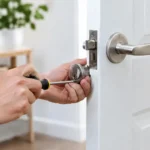
A temporary repair can be the right solution when it stops damage spreading or secures a property until permanent works can be arranged. Boarding a broken window, isolating a leaking pipe or fitting an emergency lock are sensible examples.
The temporary measure still needs to be safe and suitable. A makeshift electrical repair, a fire door wedged open because it no longer closes, or a poorly secured board over a communal entrance can introduce fresh hazards. Good emergency work is not simply about speed. It is about using an appropriate short-term solution, documenting it and arranging follow-on works before the issue returns.
Triage the repair by risk, not by pressure
The loudest caller is not always facing the greatest risk. A sensible triage process considers safety, security, potential for property damage, legal responsibilities and the impact on occupation.
A loss of lighting in a single room may be inconvenient, while a burning smell from an electrical circuit demands immediate action. A lock fault on an internal cupboard can wait, but a communal entrance that cannot be secured affects every resident and may leave the building vulnerable. Similarly, a minor roof defect can become urgent if heavy rain is forecast and water is already entering the property.
For managed portfolios, it is useful to have agreed priority categories and an out-of-hours procedure that staff, tenants and contractors can follow. This does not need to be complicated. The key is that everyone knows who to call, what information to provide and when an issue should be escalated.
Choosing the right contractor under pressure
Emergency work often reveals the downside of managing a property through disconnected trades. A leak may require plumbing, electrical checks, plaster repairs, drying work and decorating before the space is ready for use again. A break-in may involve locks, boarding, glazing, fire door checks and making good damaged finishes.
Using a contractor with broad maintenance capability can reduce delays and avoid the problem being passed from one trade to another. The first operative can make the property safe, identify the scope of damage and coordinate the next stage. That is especially valuable when a vacant property needs to be ready for incoming tenants, or when a commercial site cannot afford prolonged disruption.
That said, speed should not mean accepting unclear work. Ask what has been done to make the property safe, what remains outstanding, whether further specialist input is required and what the expected next steps are. Photographs, job notes and a clear quotation for remedial works provide a useful record for landlords, agents, insurers and clients.
Protect compliance while restoring occupancy
Emergency repairs can affect systems that carry ongoing compliance responsibilities. Electrical faults may need inspection and testing before circuits are returned to use. Damage to fire doors, closers, locks or smoke control measures should be assessed properly, not patched in a way that compromises their function. Where water has affected ceilings, walls or flooring, hidden deterioration and mould risk should be considered before the area is redecorated.
For rental properties, a repair is not complete simply because the immediate leak has stopped or a door closes again. The question is whether the home is safe and fit for the tenant to occupy. For commercial premises, the equivalent test is whether staff, customers and visitors can use the space safely and whether operational risks have been controlled.
Keep a record of the initial report, attendance time, actions taken, materials used and any follow-up work recommended. This creates accountability and helps prevent recurring problems from being treated as isolated incidents. It is also useful evidence if there is an insurance claim, a dispute over damage or a later inspection.
Plan the follow-up before the contractor leaves
The biggest mistake in emergency maintenance is treating the first visit as the end of the job. The immediate response may only stop the situation worsening. Permanent repair work may involve replacing damaged pipework, repairing plaster, treating moisture, redecorating, replacing a failed lock or inspecting affected electrical circuits.
Before the site is left, agree who is responsible for the next action and when it will happen. If tenants remain in occupation, explain any access requirements and practical restrictions clearly. If a property is empty, secure it and check that temporary measures will remain effective until the return visit.
This is also the right time to look at the cause. Repeated drain blockages, recurring leaks below a bathroom or regular damage to a communal door point to a wider maintenance issue. Addressing the underlying fault can cost more than a quick repair, but it may save significant disruption, call-out costs and damage over time.
Build readiness before the next call-out
A well-managed emergency response starts before an incident occurs. Property managers should keep key records current, including utility isolation details, occupant contacts, access arrangements and details of previous repairs. Vacant properties need particular attention: a minor fault can go unnoticed for days and develop into extensive water or security damage.
Routine inspections, prompt repairs and planned maintenance will not prevent every emergency. They do, however, reduce the chances of being surprised by a known weakness. Checking fire doors, external locks, plumbing connections, roofing defects and electrical concerns at the right intervals gives property owners more control over risk and cost.
When an urgent problem does arise, calm communication and competent action matter more than promises. A dependable maintenance partner can secure the site, coordinate the necessary trades and keep the focus where it belongs: protecting people, preserving the property and restoring safe occupation with minimal disruption. For property owners across East Sussex, that is the value of having a clear plan and a trusted team ready to act.



No Comments