Landlord Repair Liability for UK Rental Homes
A leaking roof, failed boiler or damaged fire door can quickly become more than an inconvenience. Landlord repair liability means acting promptly when a defect affects a rented property’s structure, safety, essential services or fitness for occupation. For landlords and agents, the most effective approach is not to wait for a problem to escalate, but to have a clear reporting, inspection and repair process in place.
In England, repair duties are shaped by the tenancy agreement, statutory obligations and the particular circumstances of the defect. The detail matters. A loose kitchen cupboard door may be a routine repair, while water entering an electrical fitting or a loss of heating in winter needs urgent attention.
What landlord repair liability usually covers
For most residential tenancies of less than seven years, Section 11 of the Landlord and Tenant Act 1985 places responsibility on the landlord to keep the structure and exterior in repair. This includes the roof, gutters, external walls, windows, doors, drains and pipes.
The landlord is also generally responsible for keeping installations for water, gas, electricity, sanitation, space heating and hot water in proper working order. In practical terms, that can include a faulty consumer unit, a leaking internal supply pipe, a broken toilet, or a boiler that is no longer providing heating or hot water.
The obligation is to repair, not necessarily to improve. An older but functioning kitchen may not need replacing simply because it looks dated. However, if damaged units, unsafe flooring or damp conditions create a health or safety risk, the issue may go beyond cosmetic wear and require action.
A property must also be fit for human habitation at the start of a tenancy and remain so throughout it. Serious damp and mould, inadequate heating, unsafe electrics, pest infestation linked to the property’s condition, or a significant fire risk can all raise questions about habitability.
When does liability start?
In most cases, a landlord must be made aware of a problem before being expected to put it right. That is why clear tenant reporting procedures matter. Encourage tenants to report defects as soon as they notice them, with photographs where useful, and keep a written record of the date, issue and response.
Once notified, the repair should be completed within a reasonable time. There is no single deadline that applies to every repair. What is reasonable depends on the risk, the time of year, whether the property can still be safely occupied, the availability of parts and whether temporary protection can be put in place.
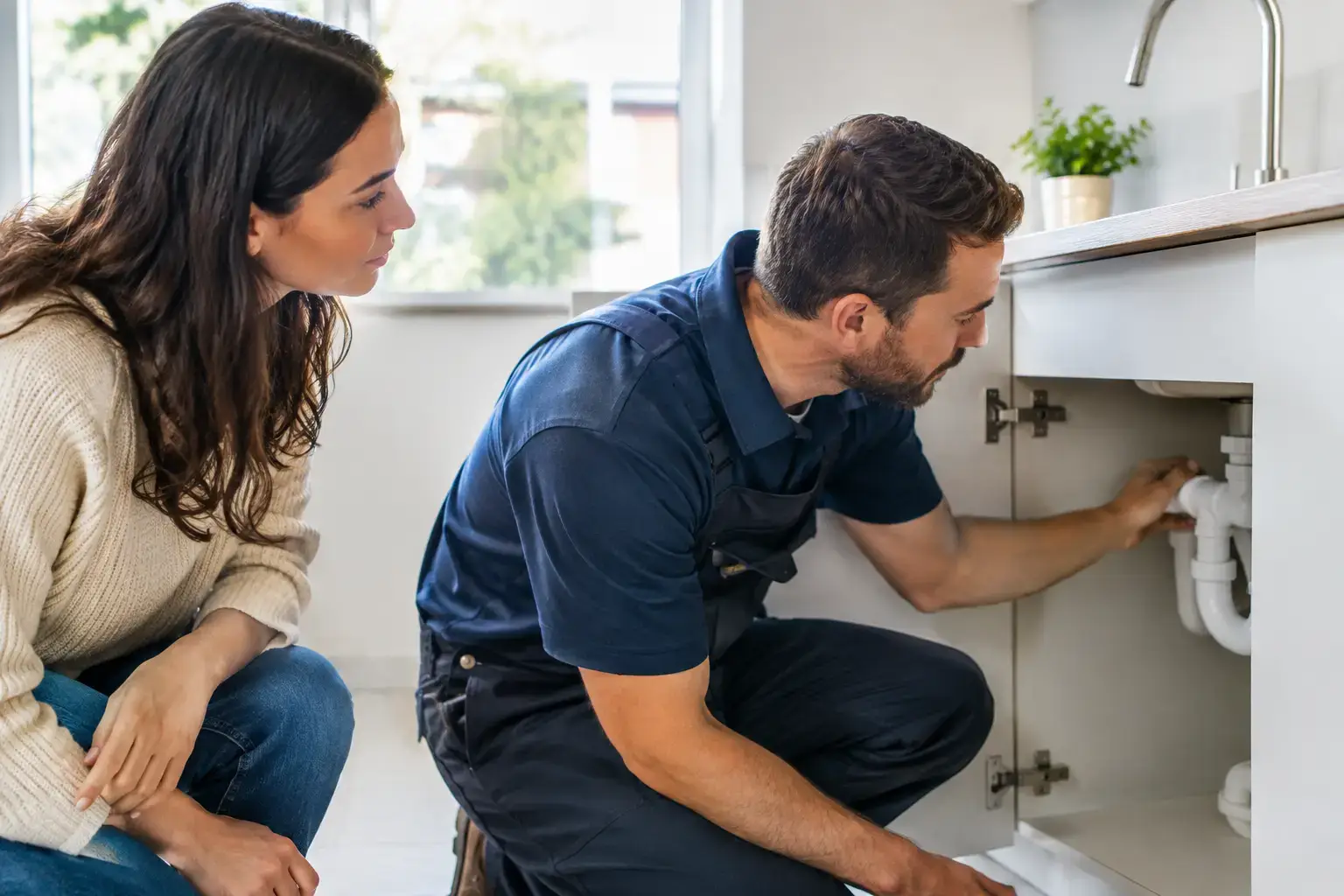
For example, a complete loss of heating and hot water in cold weather should be treated as urgent. A small drip beneath a sink may be manageable in the short term, but it still needs investigation before it causes damage to cabinets, flooring or electrics. A broken boundary fence may be less urgent unless it compromises security or creates a hazard.
Emergencies need immediate control measures
Not every emergency can be permanently repaired on the first visit. A storm-damaged roof may need a temporary covering before scaffolding, materials and safe access can be arranged. An electrical fault may require isolation before further testing and remedial work.
The priority is to make the property safe, prevent further damage and communicate clearly with the tenant. A reliable contractor should explain what has been made safe, what follow-on work is needed and when it can be completed.
Repairs that may not be the landlord’s responsibility
Liability does not mean the landlord is automatically responsible for every item that breaks or becomes damaged. Tenants should use the home in a tenant-like manner, take reasonable care and report concerns promptly. Damage caused by misuse, neglect or an unauthorised alteration may be recoverable from the tenant, subject to the tenancy agreement and proper evidence.
A blocked drain caused by items being flushed that should not have been may be different from a drainage failure caused by a defective pipe. Likewise, a broken internal door after accidental damage is not the same as a door that has deteriorated through age or faulty installation.
The cause should be checked before deciding who is liable. Rushing to assign blame can create unnecessary disputes, while delaying investigation can make a minor issue much more expensive.
Safety checks are not optional maintenance
Some duties sit alongside day-to-day repairs and require planned compliance work. Gas appliances and flues in rented homes require an annual gas safety check by a suitably registered engineer. Electrical installations in privately rented properties must be inspected and tested at least every five years, with remedial work completed where the report requires it.
Smoke alarms and carbon monoxide alarms must also be provided and kept in working order in line with the current requirements for rented homes in England. Fire doors, escape routes, locks, emergency lighting and communal areas may require additional attention, particularly in blocks and managed buildings.
These checks do not remove the need for responsive repairs. A current electrical report does not make a damaged socket safe, and a valid gas safety record does not excuse a boiler breakdown. Planned compliance and reactive maintenance need to work together.
Access, evidence and communication
Landlords have a right to enter to inspect or carry out repairs, but tenants are entitled to quiet enjoyment of their home. Except in an emergency, reasonable notice should be given, commonly at least 24 hours, with visits arranged at a sensible time.
When access is refused, keep a record of the requests made, the dates offered and why entry is needed. This is particularly important where the repair concerns gas, electrics, damp, fire safety or another potential risk. Persistent access problems should be handled carefully and in line with the tenancy agreement and legal process rather than by entering without permission.
Good records protect everyone involved. Keep the original report, photographs, inspection findings, quotes, job sheets, certificates and completion details. If a repair requires several visits, update the tenant rather than leaving them uncertain about what is happening. Clear communication often prevents a manageable fault becoming a formal complaint.
A practical repair process for landlords and agents
A consistent process makes landlord repair liability easier to manage across one property or a larger portfolio. Start by logging the issue and asking enough questions to understand the risk. Is there water near electricity? Is the property without heating? Is there a security concern? Is a child, older resident or vulnerable occupier affected?
Next, arrange the appropriate trade and prioritise any immediate safety work. Avoid treating every issue as a general handyman job. Electrical faults, gas appliances, structural concerns and fire safety measures may need a competent specialist with the correct qualifications.
Once the cause is established, approve the repair scope, keep the tenant informed and retain the evidence of completion. If there is a recurring issue, such as repeat mould around a window, recurring leaks or repeated lock failures, investigate the underlying cause rather than repeatedly treating the symptom.
For vacant properties, inspections between tenancies are a valuable opportunity to identify defects before the next tenant moves in. Testing alarms, checking seals and extractor fans, inspecting for leaks, reviewing door security and dealing with decoration or damage early can reduce reactive call-outs later.
Where leasehold and communal areas complicate repairs
Not every repair is fully within the landlord’s direct control. In a leasehold flat, the freeholder or managing agent may be responsible for the building structure, communal pipework, external walls or shared fire safety provisions. The landlord still needs to respond to the tenant, report the issue promptly to the responsible party and follow it through.
From the tenant’s perspective, the landlord remains their main point of contact. Saying that a managing agent is dealing with it is not enough if updates stop and the problem remains unresolved. Keep pressure on the right party, document correspondence and consider temporary measures where appropriate.
Avoiding costly disputes
The most common repair disputes arise from delay, unclear responsibility and poor evidence. A prompt inspection is often cheaper than an argument over whether a defect was reported. A written repair history is stronger than relying on memory. And a planned maintenance programme is usually more cost-effective than repeated emergency call-outs.
For landlords and agents across East Sussex, using a dependable maintenance partner can simplify this work. Action Property Group can support reactive repairs, electrical work, fire safety measures, void preparation and refurbishment, helping properties remain safe, compliant and ready for occupation.
The right response to a repair report is rarely just to send someone out and hope for the best. Assess the risk, act at the right speed, keep a clear record and make sure the repair genuinely resolves the issue. That is how a property stays protected, tenants stay informed and small faults do not become expensive liabilities.



No Comments