
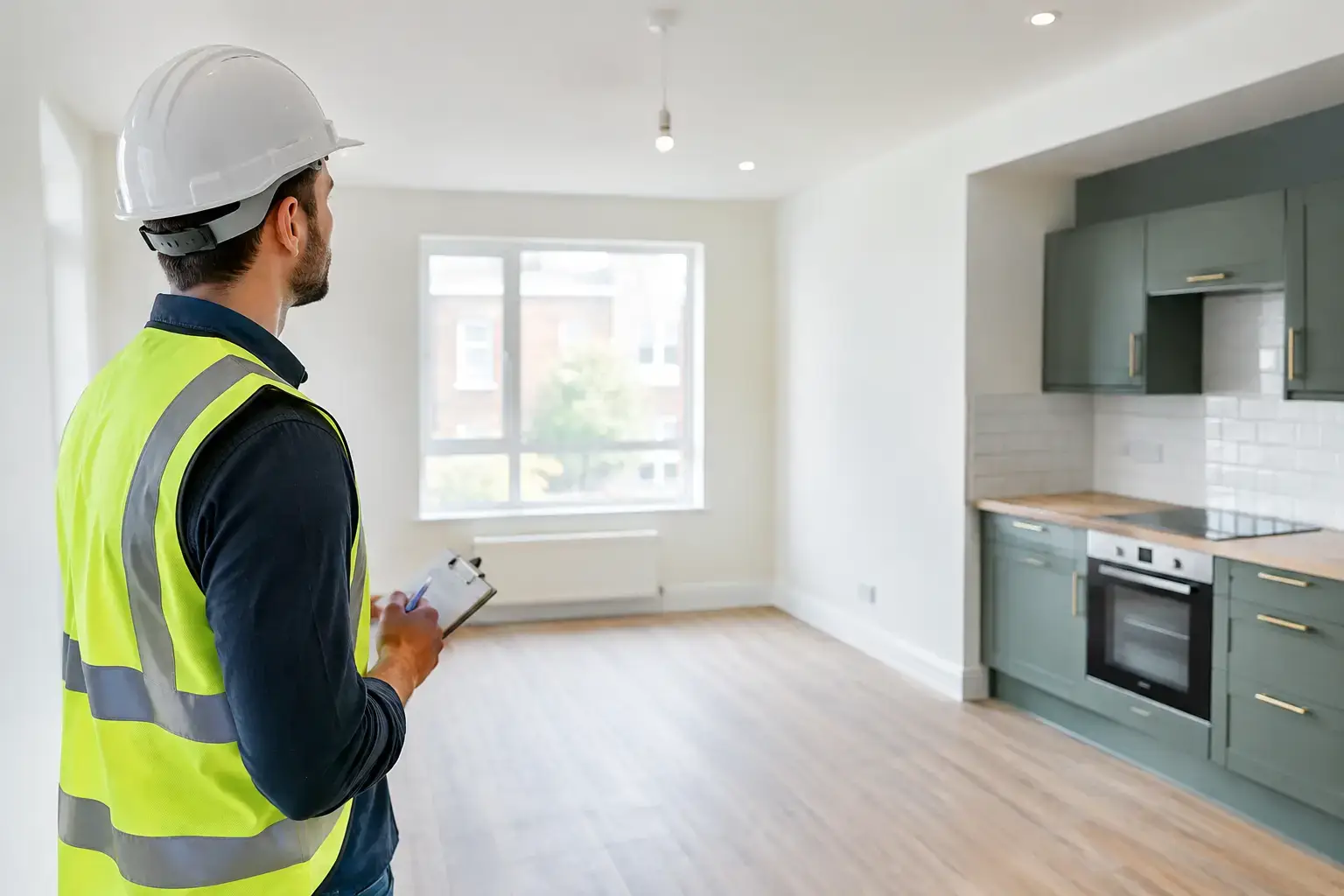
Void Refurbishment That Gets Properties Relet Faster
A vacant property starts costing money from the moment the keys are returned. Void refurbishment is the practical work that turns that empty period into a controlled, efficient route back to a safe, presentable and lettable home. For landlords, letting agents and housing providers, the objective is not simply to make a property look better. It is to deal with defects, compliance requirements and tenant expectations before they cause further delay.
A well-managed void can protect rental income, reduce repeat call-outs and provide a better first impression at viewings. A rushed or poorly coordinated job can do the opposite, leaving hidden faults, unfinished work and avoidable snagging once a new tenant moves in.
What void refurbishment should achieve
Void refurbishment covers the inspection, repair, cleaning and finishing work needed between occupancies. The exact scope depends on the condition of the property, the length of the previous tenancy and the standard required for reletting, sale or handover.
At a minimum, the property should be clean, secure, safe and functional. In many cases, it also needs to be brought back to a consistent standard across a wider portfolio. This might mean repairing damaged plaster, replacing worn flooring, redecorating marked walls, changing locks, addressing electrical issues and completing required safety checks.
The most effective approach starts with a clear distinction between essential works and desirable improvements. A failed smoke alarm, damaged fire door or unsafe electrical fitting needs immediate attention. Repainting a tired room may not be a legal requirement, but it can be the difference between a quick let and a property that sits empty while prospective tenants compare it with better-presented alternatives.
Start with a detailed void inspection
The inspection is where time is either saved or lost. If defects are missed at the start, trades may need to return after cleaning, decorating or new flooring has already been completed. That creates disruption, additional cost and a longer void period.
A proper inspection should consider the whole property, not just the most obvious damage. Check external doors, windows, locks, kitchens, bathrooms, walls, ceilings, flooring, heating controls, extractor fans, lighting and outside areas. Look for signs of water ingress, mould, loose fittings, leaks beneath sinks and damage caused by previous repairs rather than assuming a cosmetic finish will solve the problem.
It is also sensible to document the condition with photographs and a written schedule of works. For managing agents and landlords with several properties, this provides a clear instruction for contractors and a useful record of what was completed. It also helps prioritise work where budgets are tight.
Put safety and compliance first
Compliance work should be planned at the beginning, not left until the end of the programme. A property can be freshly decorated and professionally cleaned, but it is not ready for occupation if its required checks, alarms or safety measures have not been addressed.
The relevant requirements vary by property type and tenancy arrangement, so the scope should be confirmed for each address. Common void-period priorities include electrical inspection and remedial work, smoke and carbon monoxide alarm checks, fire door condition, secure locks and access control, and any gas safety work required from the appropriate qualified contractor.
Fire doors deserve particular attention in flats, shared buildings and properties with higher fire-safety responsibilities. A door that does not close correctly, has damaged seals or has unsuitable ironmongery may need adjustment or replacement. These are not finishing details. They are part of keeping residents and buildings safe.
Plan work in the right order
Good void refurbishment is largely about sequencing. Bringing every trade to site at once rarely makes a property ready sooner. It often leads to work being damaged, duplicated or delayed while other tasks are incomplete.
Start with access, security and inspection. Then deal with leaks, electrical faults, plumbing repairs, damaged doors, plastering and other disruptive works. Once the building fabric and services are in order, decorating, flooring and finishing tasks can follow. Cleaning should usually take place near the end, with a final check after all trades have left site.
This order is particularly important where there has been damp, a leak or extensive wall damage. Decorating before the source of moisture is resolved wastes time and materials. Similarly, fitting new flooring before plumbing repairs are complete risks lifting or replacing it later.
A single contractor able to coordinate several workstreams can make a material difference here. Rather than waiting for separate electricians, decorators, cleaners and repair teams to become available, the programme can be organised around the property’s actual priorities. That does not mean every job needs a full refurbishment. It means the right work is completed in the right order.
Decide what to repair and what to replace
This is where judgement matters. Repair is often the sensible option when an item is safe, serviceable and can be restored properly. Replacement may be better value when repeated repairs are likely, parts are unavailable or the item will undermine the standard of the property.
For example, a small area of damaged plaster can usually be repaired before decoration. A kitchen cupboard hinge may only need adjustment or replacement. However, badly swollen units caused by a longstanding leak, worn flooring throughout a high-traffic hallway or an external door that remains insecure after repair may justify replacement instead.
Avoid making decisions based only on the immediate invoice. A cheaper patch repair that fails within months can lead to another visit, another period of disruption and a dissatisfied tenant. Equally, replacing every imperfect item can make a void budget unnecessarily high. The right decision balances condition, expected lifespan, appearance and the likely cost of future maintenance.
The works that most often hold up reletting
Some jobs have a greater effect on the completion date than others. Identifying them early allows materials, specialist labour and access arrangements to be planned before they become a problem.
Common causes of delay include:
- undiscovered leaks, mould or water damage behind units or beneath flooring;
- electrical defects identified during inspection or testing;
- damaged doors, locks or fire-door components that require specific replacements;
- plaster repairs that need adequate drying time before decoration; and
- late decisions on flooring, kitchen units, sanitaryware or other materials with longer lead times.
Not every issue can be predicted, especially in a property that has been empty for some time. The key is to allow room for contingencies while maintaining clear communication about what has been found, what it means and what needs approval. A short delay to correct a genuine defect is preferable to handing over a property with problems waiting for the next tenant.
Finish to a lettable standard, not just a completed one
There is a difference between a property where work has stopped and one that is genuinely ready to market. The final stage should include a walk-through that looks at the property as a prospective tenant or inspector would.
Walls should be evenly finished, fittings secure, rooms clean and access arrangements clear. Check that doors open and close properly, taps run as expected, lights operate, appliances supplied with the tenancy are functional and rubbish has been removed. Small details matter at this stage: missing sealant, paint on sockets, loose handles or unlabelled keys can make an otherwise good refurbishment feel unfinished.
For rental homes, a clean and well-presented property also helps set expectations for the next tenancy. Tenants are more likely to report an issue promptly and take care of a property that has clearly been prepared to a professional standard.
Keeping void costs under control
Fast turnaround should not mean uncontrolled spending. The most reliable way to manage costs is to agree a clear scope after inspection, prioritise safety-critical and income-protecting works, and record any additional defects before extra work begins.
For portfolio managers, standardising common finishes can help. Using consistent paint colours, flooring ranges, door furniture and replacement parts makes future repairs quicker and prevents time being lost matching one-off materials. It can also make properties easier to maintain across different locations.
Action Property Group supports landlords, agents and property owners across East Sussex with coordinated maintenance, compliance and refurbishment work. Having one accountable team for the key stages can reduce the administrative pressure of chasing separate trades while keeping the property moving towards handover.
A vacant property does not need every surface replaced to be ready. It needs the right defects resolved, its safety requirements addressed and the final presentation checked with care. That is how a void becomes a property someone can confidently move into, inspect or market without unnecessary delay.




No Comments