
Can Tenants Report Electrical Faults? What to Do
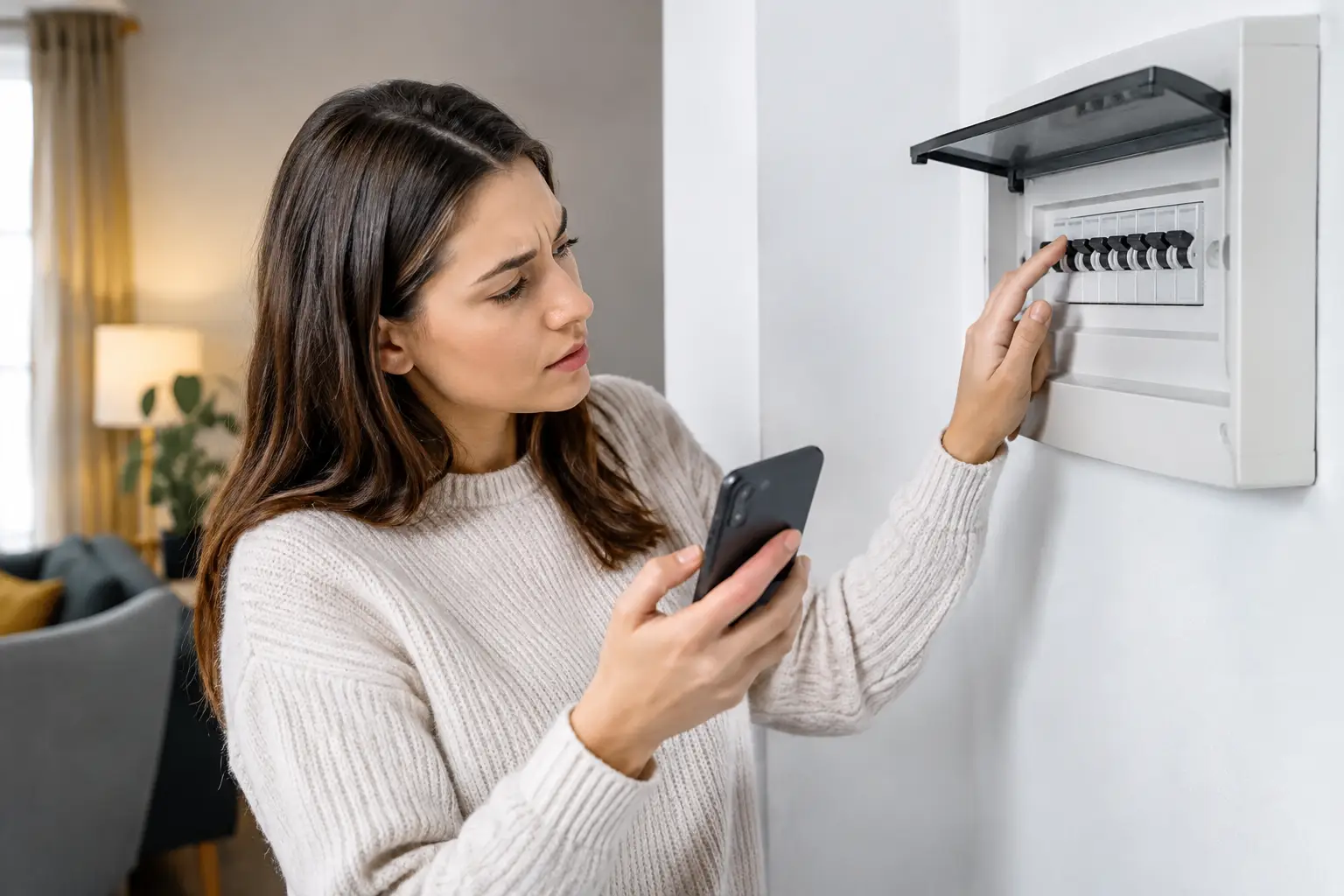
A socket that crackles when a charger is plugged in is not a minor inconvenience to leave until the next inspection. Nor is a repeatedly tripping consumer unit, a burning smell, damaged wiring or a light fitting that feels unusually hot. Can tenants report electrical faults? Yes – and they should report them promptly, in writing where possible, so the issue can be assessed and made safe.
For landlords and managing agents, a clear reporting route and a quick, documented response protect tenants, properties and compliance records. Electrical faults can worsen quickly, particularly in occupied homes where appliances, extension leads and everyday use place continual demand on the installation.
Can tenants report electrical faults to their landlord?
Tenants can report electrical faults to their landlord, letting agent or the emergency maintenance contact provided in their tenancy information. In most cases, the landlord is responsible for keeping the electrical installation in repair and safe. This commonly includes fixed wiring, sockets, switches, light fittings, the consumer unit and permanently installed equipment.
The position is different for a tenant’s own belongings. If a tenant’s toaster, television or mobile phone charger is faulty, it is usually their responsibility to stop using it and replace or repair it. But if plugging a normal appliance into a wall socket causes sparking, overheating or repeated tripping, that points to a potential fault with the property and should be reported.
Tenants should not attempt electrical repairs themselves or ask an unqualified friend to investigate. Removing covers, altering wiring or repeatedly resetting a circuit can turn an uncertain fault into a serious safety risk. The right first step is to stop using the affected fitting or circuit if it is safe to do so, then notify the responsible party.
What counts as an electrical fault worth reporting?
Not every blown bulb means there is a wiring defect, but tenants should report anything that could affect safety, normal use of the home or the condition of the electrical installation. Early reporting gives the landlord or agent the chance to send the appropriate electrician before a small fault becomes an emergency.
Common examples include flickering lights across more than one room, sockets that are loose or discoloured, switches that spark or buzz, electric shocks or tingling from fittings, and a fuse or circuit breaker that trips repeatedly. Water near electrical fittings, exposed cables, a damaged consumer unit, scorch marks and a smell of burning plastic all require urgent attention.
Loss of power also needs to be reported, although the cause may sit outside the property. Tenants can first check whether neighbours are affected and whether the supplier has reported a local outage. If the issue is confined to one home, or one circuit continues to trip after appliances have been unplugged, it should be treated as a property maintenance issue.
When is an electrical issue an emergency?
An electrical fault is an emergency where there is an immediate risk of fire, electric shock or loss of an essential service. Smoke, flames, arcing, burning smells, water entering electrical equipment, exposed live wires and electric shocks all fall into this category.
In these circumstances, tenants should keep clear of the affected area, switch off power only if this can be done without danger, and contact the landlord’s or agent’s emergency repair number. If there is fire, smoke or an immediate threat to life, they should call 999 first. A tenant should never touch damaged wiring, electrical equipment in standing water or a person who may still be in contact with a live supply.
A complete loss of electricity can also be urgent, particularly where it affects heating controls, refrigeration for essential medicines, medical equipment or vulnerable occupants. The appropriate response will depend on the cause and circumstances, but the report should not wait for normal office hours where safety or wellbeing is affected.
How tenants should report the problem
A useful fault report is clear enough for the landlord, agent or contractor to triage the issue properly. It should say what has happened, where it is happening, when it started and whether there are signs of danger. Photographs can help where there is visible damage, such as a cracked socket faceplate or scorch marks, provided taking them does not put anyone at risk.
Tenants should include the following details in the report:
- the room and exact fitting affected
- what happens when the fault occurs, such as tripping, sparking or overheating
- whether power has been lost to part or all of the property
- any immediate safety signs, including smoke, a burning smell or water ingress
- the best contact number and suitable access times, unless it is an emergency
Email or a maintenance portal creates a useful record, but an urgent fault should also be reported by telephone. Tenants should keep copies of messages and note the time of any calls. This avoids confusion over what was reported and helps everyone track the repair from first notification to completion.
What landlords and agents need to do
Landlords have legal obligations in England to keep electrical installations safe. Under the Electrical Safety Standards in the Private Rented Sector (England) Regulations 2020, private landlords must ensure that the electrical installation is inspected and tested by a qualified person at least every five years, or more often if the report requires it. They must provide the required electrical safety report to tenants within the relevant timescales and complete remedial work identified as necessary.
This periodic inspection does not remove the need to respond to faults between inspections. An Electrical Installation Condition Report, often called an EICR, records the condition of the installation at the time of testing. Damage, wear, water ingress or a developing defect can arise later. A tenant report should therefore be treated as live maintenance information, not simply filed until the next inspection date.
Section 11 of the Landlord and Tenant Act 1985 also places repairing duties on landlords for the structure and exterior of a dwelling and installations for the supply of electricity, gas, water, sanitation, space heating and hot water. The exact responsibility can depend on the tenancy and the source of the problem, but landlords should not assume that a fault is the tenant’s responsibility without proper assessment.
The practical response is straightforward: acknowledge the report, assess urgency, give clear safety advice, arrange a competent electrician where needed, and retain the job record. If a temporary measure is required, such as isolating a faulty circuit, tenants should be told what remains unavailable and when further work is expected.
Access, communication and evidence
Repairs cannot always be completed on the first visit. Parts may be needed, a wider inspection may reveal additional issues, or safe access may require an appointment. Landlords should explain this clearly rather than leaving tenants unsure whether the fault has been resolved.
Tenants should provide reasonable access for inspections and repairs after proper notice, except in a genuine emergency where quicker access may be necessary. Good communication matters on both sides: tenants need to know when an electrician is due, while landlords need prompt confirmation if an appointment cannot be kept.
For managed portfolios, consistent records are particularly valuable. They demonstrate that reports were received, risks were considered and remedial work was completed. They also help identify recurring faults, ageing installations or properties that need planned upgrade work rather than repeated reactive call-outs.
What tenants should not do while waiting for repair
Tenants should avoid using a fitting that appears faulty. They should not keep resetting a breaker that trips immediately, force plugs into loose sockets, cover damaged cables with tape or use extension leads as a long-term substitute for failed fixed electrics. If a socket or appliance lead is hot, it should be unplugged only if safe to do so.
They should also avoid withholding rent to force a repair. Rent obligations and repair disputes are separate matters, and withholding payment can create further problems. Where a landlord or agent has not responded to a serious issue, tenants can seek advice from their local council’s private sector housing team or an appropriate housing advice service.
For landlords, the most reliable approach is to make reporting simple and act on warning signs early. A responsive maintenance process, supported by qualified electrical work and clear records, keeps homes safer and reduces the risk of disruption, damage and avoidable compliance pressure.
Where a property needs testing, fault finding or follow-on repairs in East Sussex, Action Property Group can help coordinate practical electrical maintenance alongside the wider work needed to keep a home safe and ready for occupation.




No Comments