
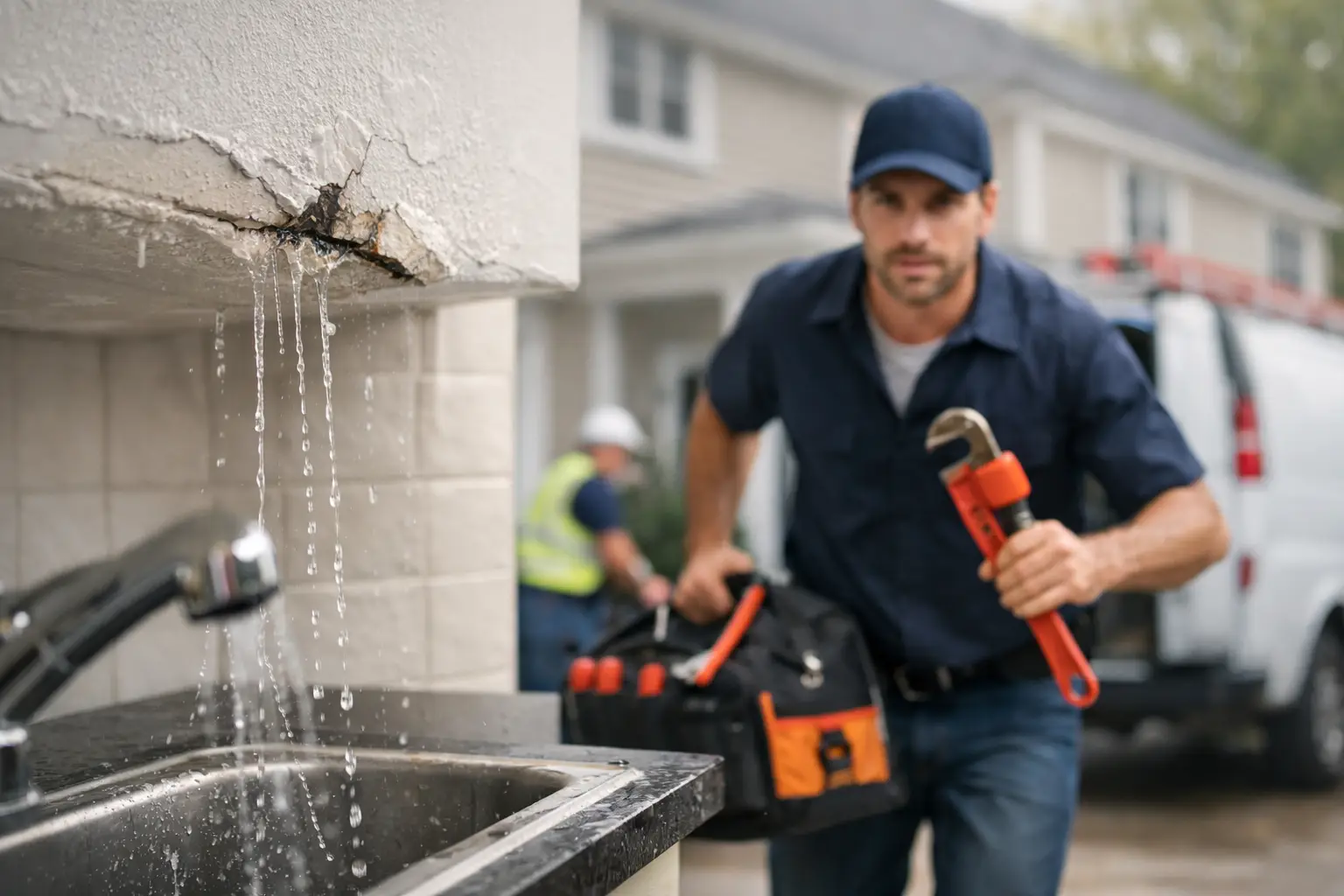
How to Manage Urgent Property Repairs Fast
A leak through a ceiling, a failed lock on an occupied flat or a sudden loss of power cannot wait for the next routine visit. The way you manage urgent property repairs in the first hour can protect people, limit damage, reduce void time and prevent a relatively small fault becoming an expensive claim.
For landlords, letting agents and property managers, the pressure is rarely just about arranging a tradesperson. You must establish whether anyone is at risk, give residents clear instructions, protect the property, keep a reliable record and get the right repair completed with as little disruption as possible. A calm, repeatable process makes that far easier.
Decide whether the repair is urgent or an emergency
Not every reported fault needs an immediate call-out, but every report deserves a prompt assessment. The key question is whether there is an immediate threat to life, health, security or the fabric of the building.
An emergency includes suspected gas leaks, fire damage, exposed live electrical parts, major flooding, structural instability and situations where a property cannot be secured. If there is immediate danger, occupants should leave the affected area and contact the emergency services where appropriate. A suspected gas leak requires the gas emergency service on 0800 111 999. Do not ask a tenant to investigate the source, use electrical switches or attempt a temporary repair.
Urgent repairs may not require emergency services, but they should normally be attended to quickly. Examples include a burst pipe with the water isolated, a broken external door lock, a failed heating system in cold weather, a blocked sole toilet, water ingress during heavy rain or a dangerous loose fitting. These issues affect safe occupation, security or the condition of the property.
A cosmetic issue, a minor drip that can be contained or a single failed light fitting may be suitable for a planned visit. Context matters, however. A minor leak in an empty room is different from the same leak above an electrical consumer unit or a tenant’s bedroom.
Make the property safe before arranging the repair
The first practical aim is containment. This is not about asking tenants or staff to carry out work beyond their ability. It means giving simple, safe instructions that reduce further damage while help is arranged.
For water leaks, this may mean locating the stopcock, turning off the water supply if it is safe to do so, moving belongings away from the affected area and placing containers beneath a drip. For an electrical concern, residents should avoid the affected circuit and not touch wet electrical equipment. Where there is water near electrics, the electricity supply may need to be isolated by a competent person.
Security faults need the same urgency. A damaged door, failed multipoint lock or broken ground-floor window can leave occupants and possessions exposed. Temporary boarding, an emergency lock change or securing a communal entrance may be needed before the permanent repair can be completed.
Take a proportionate approach. Turning off a water supply may be sensible; dismantling a boiler, forcing a stuck door or climbing onto a roof is not. Clear instructions protect the person reporting the problem as well as the property.
Gather the right information on the first call
A vague report such as “there is a problem with the electrics” makes it difficult to send the right person with the right equipment. A short triage checklist helps your contractor act decisively and avoids repeat visits.
Ask where the problem is, when it started, whether it is getting worse and whether anybody is in danger. Establish what services have been affected, what steps have already been taken and whether the property can be accessed. Photographs and short videos are useful for assessing leaks, damage and access issues, provided they can be taken safely.
For a managed portfolio, record the property address, occupier contact details, time reported, description of the issue, any initial safety advice given and the agreed next action. This creates a clear audit trail and prevents important details being lost during handovers between staff.
It is also worth checking the property history. Repeated drain blockages, recurring damp, previous lock failures or a consumer unit that has tripped several times may point to a wider defect. An emergency attendance may solve the immediate problem, but the underlying cause should not be ignored.
Send the right trade, not simply the first available person
Speed matters, but an unsuitable call-out can increase delays and cost. A general maintenance operative may be able to make safe a damaged wall or secure a door, while electrical faults, gas work and certain fire safety repairs require appropriately qualified specialists.
This is where a single property maintenance partner can make a real difference. Rather than calling separate electricians, locksmiths, decorators, cleaners and general repair teams, you can coordinate the immediate repair and the follow-on works through one point of contact. That is particularly valuable after a leak or fire-related incident, where drying, plaster repairs, redecoration, lock changes and compliance checks may all be required.
When instructing a contractor, be clear about the priority, access arrangements and whether there are vulnerable occupants, children, pets or business-critical equipment on site. Confirm what authority they have to carry out temporary works, permanent repairs or additional work discovered during attendance. A sensible approval limit avoids unnecessary delay while keeping costs controlled.
Keep tenants, owners and occupiers informed
Poor communication often causes more frustration than the fault itself. Tenants need to know who is attending, roughly when to expect them, what they should do beforehand and whether they need to remain at the property. Owners and asset managers need concise updates on risk, likely cost, proposed remedy and any impact on occupation.
Avoid promising an exact completion time before the cause is known. A leak might be resolved by replacing a washer, but it may also require tracing concealed pipework, drying saturated materials and repairing a ceiling. It is better to explain the next step clearly: the contractor will attend to make safe, assess the fault and provide a recommendation for any further works.
After attendance, share a short update. Confirm what was found, what was done, whether the property is safe to occupy and what remains outstanding. If access was not possible, record the attempted visit and the steps needed to rearrange it.
Protect compliance while dealing with the immediate fault
Urgent repairs can create compliance issues of their own. A replacement fire door must retain the required fire performance and be fitted correctly. Electrical remedial work may need testing and certification. Emergency lighting, smoke alarms, fire stopping and communal fire safety measures should not be compromised by a quick fix.
For rental properties, the repair response should also support your wider legal duties. Heating, hot water, sanitation, electrical safety and building security all affect whether a home remains safe and fit for occupation. Commercial premises may have additional obligations around staff safety, fire precautions and access.
Temporary measures are sometimes necessary, but they should be clearly identified and followed by a permanent, compliant solution. Boarding over a damaged fire door, for example, may secure an opening temporarily but does not automatically restore fire compartmentation. The repair plan must consider the function of the element, not just its appearance.
Control costs without delaying essential work
Urgent call-outs naturally cost more than planned maintenance, particularly outside normal working hours. The answer is not to delay a repair that presents a genuine risk. It is to distinguish essential make-safe work from improvements that can be quoted and scheduled properly.
Ask for clear reporting, photographs where relevant and an explanation of the recommended scope. This allows you to approve the immediate works quickly and decide whether related refurbishment should be completed at the same time. If a leaking pipe has damaged a hallway, it may be more efficient to arrange plastering, decorating and cleaning as a coordinated job once the area is dry.
For landlords and agents, good records also support discussions with insurers, owners and tenants. Keep invoices, contractor reports, images, certificates and communications together under the property file. Accurate documentation is useful long after the leak has stopped or the lock has been replaced.
Reduce the next urgent repair
Reactive maintenance will always be part of property management, but patterns can be reduced. Routine inspections, prompt repairs to small defects, seasonal checks and planned testing help identify issues before they affect occupation. Pay particular attention to roof coverings and gutters, plumbing connections, extractor fans, door hardware, heating performance, fire doors and electrical condition.
Vacant properties need attention too. A regular void inspection can identify leaks, break-ins, mould, damage and service failures before a new tenant is due to move in. It also creates time to organise repairs properly rather than rushing work at the point of handover.
Action Property Group supports property stakeholders across East Sussex with reactive repairs, compliance work and refurbishment services, helping to bring the right trades together when time is limited. The best response to an urgent repair is one that does more than stop the immediate problem: it leaves the property safe, secure and ready for the next person through the door.




No Comments