
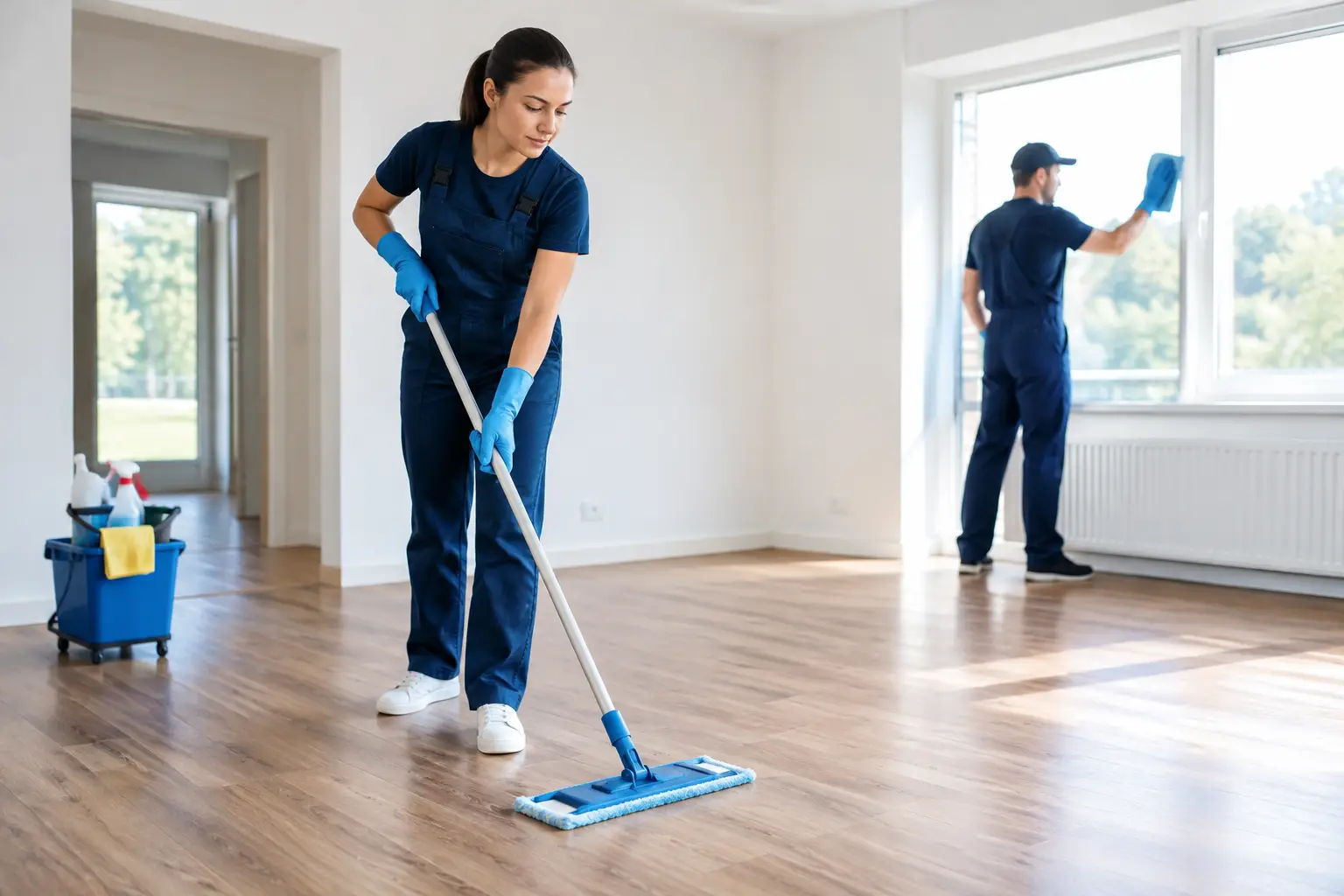
How to Clean Vacant Properties Before Letting
A vacant property can look straightforward until the first inspection reveals what has been left behind: food in cupboards, damage behind furniture, mould around windows, missed repairs and utility supplies that may not be safe to use. Knowing how to clean vacant properties properly is about more than making rooms look presentable. It is a controlled process that protects the property, supports compliance and helps avoid delays when it is time to let, sell or hand the keys over.
For landlords, letting agents and housing providers, the priority is clear: establish the condition of the property, deal with safety concerns first, then complete a thorough clean alongside any required maintenance. Rushing straight to the cleaning products can mean wasted time if trades need to return to repair walls, replace locks or address leaks afterwards.
Start With a Safe, Documented Inspection
Before clearing or cleaning anything, inspect the property room by room. Take dated photographs of every area, including cupboards, appliances, loft access points, meter cupboards, gardens and any outbuildings. This creates a clear record of the condition and helps distinguish cleaning requirements from repair, tenant damage or longer-term refurbishment work.
Check whether the gas, electricity and water supplies are live and safe. If there is any sign of a gas smell, exposed wiring, water ingress, damaged consumer units or unsafe appliances, stop work in that area and arrange for a competent contractor. A vacant property may have been empty for weeks or months, so faults that would be spotted quickly in an occupied home can become more serious.
Security should be addressed at this stage too. Confirm that doors and windows close correctly, inspect locks for damage and consider a lock change where keys may still be held by former occupiers, contractors or unknown parties. A clean property is of little value if it remains vulnerable to unauthorised access.
Clear the Property Before Deep Cleaning
Cleaning around unwanted belongings is inefficient and often hides the very issues that need attention. Remove rubbish, abandoned furniture and unwanted contents before beginning the detailed clean. Separate items that can be recycled, donated or disposed of responsibly from general waste, and take particular care with electrical items, paint tins, chemicals and bulky materials.
Do not assume every item can simply be removed. Where a tenancy has ended, landlords and agents should follow the appropriate process for dealing with belongings that may still belong to a former tenant. Keep a basic inventory and photographs before disposal, particularly where valuable items have been left behind.
Once rooms are cleared, vacuum loose debris from floors, ledges and corners. This makes defects easier to identify. It is common to find damaged flooring, missing sockets, cracked tiles, pest activity or staining that was concealed by furniture.
How to Clean Vacant Properties Room by Room
A practical cleaning order prevents work from being repeated. Start at the highest point of each room and work downwards: ceilings and high-level dusting first, then walls and surfaces, followed by skirting boards, doors and finally floors. Clean the furthest rooms first and work back towards the entrance so cleaned areas are not repeatedly walked through.
Kitchens Need More Than a Surface Wipe
Kitchens tend to require the most time after a property has stood empty. Empty all cupboards and drawers, vacuum crumbs and debris, then wash internal and external surfaces with a suitable degreaser. Pay close attention to handles, hinges, splashbacks and the tops of wall units, where grease and dust collect.
Appliances should be checked as well as cleaned. Defrost and sanitise fridges and freezers, clean ovens thoroughly, and inspect washing machine drawers, filters and seals. If appliances are included with the tenancy, test that they operate correctly once it is safe to do so. A clean oven that does not heat, or a washing machine with a blocked waste connection, will still create an immediate maintenance issue for a new tenant.
Bathrooms Require Hygiene and Defect Checks
In bathrooms, remove limescale from taps, shower screens, tiles and sanitaryware before disinfecting touchpoints. Clean extractor fan covers, as poor ventilation can contribute to condensation and mould. Check sealant around baths, showers and basins for gaps, black mould or lifting edges. Failed sealant is not just cosmetic – it can allow water into walls, floors and adjacent rooms.
Flush toilets and run taps where supplies are active, looking for slow drainage, leaks or discoloured water. If the property has been empty for an extended period, water systems may need additional attention before occupation. Do not overlook under-sink pipework, boxing and areas behind pedestal basins.
Living Areas and Bedrooms Need Detail Work
Vacuum carpets slowly, including edges, stairs and beneath radiators. Stains, odours or signs of pests may mean that professional carpet cleaning, treatment or replacement is more appropriate than a standard vacuum. Hard floors should be swept first, then cleaned using a product suitable for the surface. Too much water on laminate, timber or damaged vinyl can cause further problems.
Dust light fittings, curtain rails, blinds, radiator tops, sockets and skirting boards. Wipe internal doors, frames and handles, particularly in high-contact areas. Marks on walls can often be cleaned, but extensive scuffs, nicotine staining or damaged paintwork may be better dealt with through decorating rather than repeated scrubbing.
Deal With Mould, Pests and Odours Properly
A musty smell is a warning sign, not something to cover with air freshener. Find the cause before treating the symptom. Condensation, a plumbing leak, blocked guttering, poor ventilation or water ingress may all be responsible. Surface mould can be cleaned using appropriate protective equipment and products, but recurring or extensive mould requires the source of moisture to be resolved.
Look for pest evidence in kitchen units, lofts, under baths and around external access points. Droppings, gnawed materials, nests or insect activity should be dealt with before a property is marketed. Cleaning alone will not resolve an active infestation.
Odours from smoke, pets, damp or food can also persist in carpets, curtains, cupboards and ventilation routes. The right treatment depends on the source. In some cases, deep cleaning is sufficient; in others, affected flooring, sealant or decorations may need replacing.
Coordinate Cleaning With Repairs and Compliance
The best void turnaround plans treat cleaning as one part of preparing the property, not a separate task completed in isolation. Repairs should be scheduled before final decoration and final cleaning wherever possible. There is little sense in deep-cleaning a hallway before plastering, electrical work or a lock replacement creates more dust and disruption.
Use the vacant period to review the wider condition of the property. Check smoke and carbon monoxide alarms, fire doors where applicable, emergency lighting in communal or commercial settings, extractor fans, window restrictors and visible fire safety measures. Required checks will vary by property type and tenancy arrangement, but a planned review is easier and less disruptive while the property is empty.
A reliable contractor can coordinate cleaning alongside repairs, painting, electrical testing and safety work. For managed portfolios, this reduces the hand-offs between different trades and provides a clearer route to a property that is safe, compliant and ready for occupation.
Complete a Final Ready-to-Let Check
Once cleaning and works are complete, carry out one last inspection in daylight if possible. Open cupboards, test lights, check taps, flush toilets and look closely at corners, window sills and floors. Confirm that waste has been removed, keys are accounted for and the property is secure.
Use fresh eyes for the final check. The question is not simply whether the property is clean enough, but whether a new tenant, buyer or inspector can enter without immediately finding an avoidable issue. A well-managed void clean protects the condition of the asset and gives the next stage of the property journey a far better start.



No Comments