
Best End of Tenancy Repair Priorities to Tackle
A void property can lose money quickly when small defects are left to become bigger jobs. The best end of tenancy repair priorities are not simply the most visible ones. They are the works that make the property safe, compliant, secure and ready for the next tenant without creating avoidable delays.
For landlords and letting agents, the challenge is often deciding what needs attention now, what can wait and which jobs require a qualified specialist. A structured inspection and sensible order of works prevent wasted visits, reduce rework and help bring a property back to a lettable standard sooner.
Start with safety, security and compliance
The first repairs should always deal with any issue that could put people at risk, leave the property insecure or prevent a lawful letting. Cosmetic work matters, but it should not take priority over an unsafe electrical fitting, a damaged fire door or a lock that does not secure the entrance.
Begin with a clear condition inspection as soon as the tenant has vacated. Compare the property against the inventory, check every room, test accessible fittings and photograph defects before work starts. This creates a reliable scope of work and helps separate fair wear and tear from damage that may need to be considered during the deposit process.
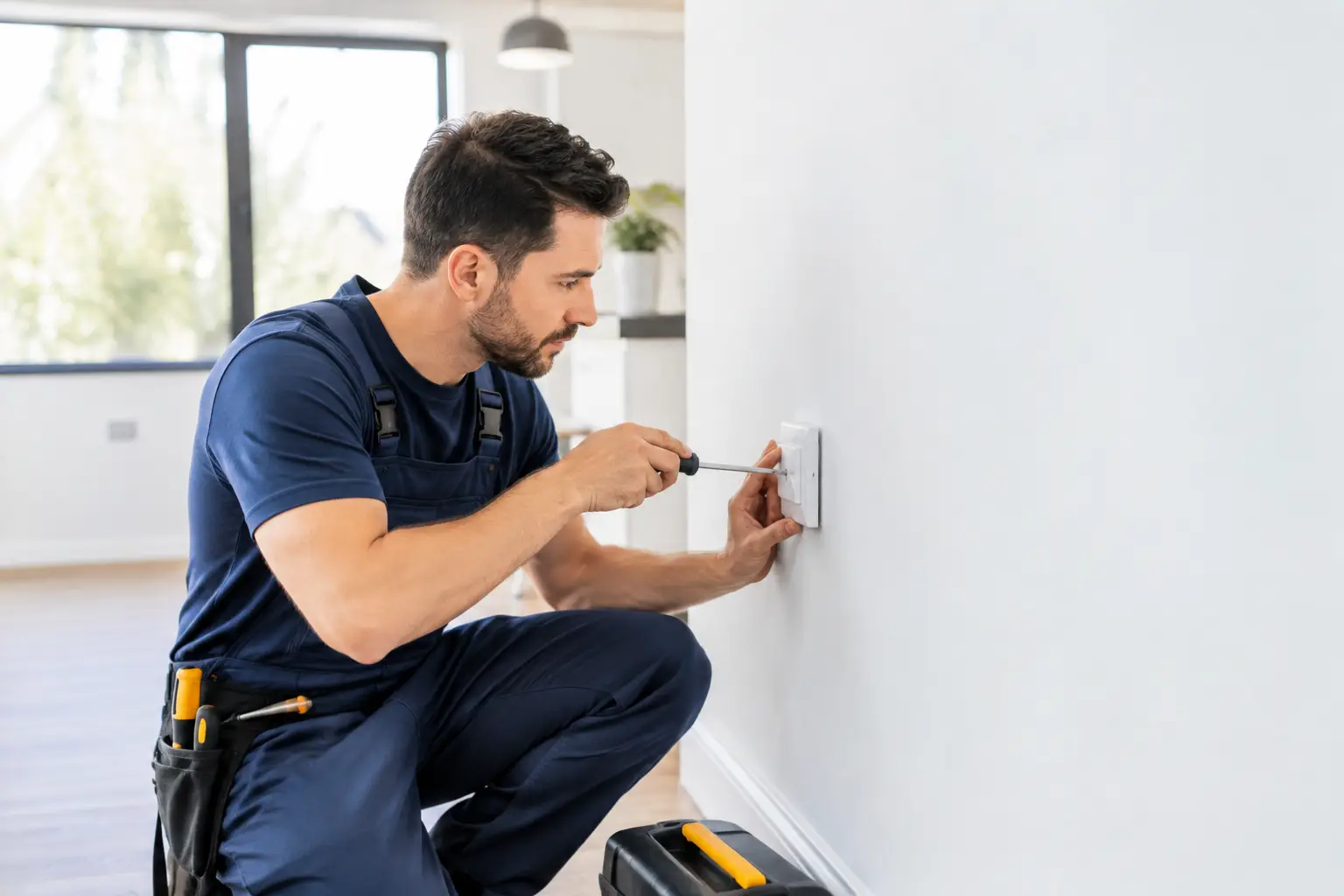
Electrical faults need prompt attention. Loose sockets, damaged switches, exposed wiring, overheating fittings and failed smoke alarms should be addressed before any redecoration or cleaning. Where electrical testing or remedial work is needed, use a competent electrician and make sure the appropriate certification is in place. A property may look freshly painted, but it is not occupation-ready if its electrical safety requirements have not been dealt with.
Gas concerns are equally urgent. Any suspected leak, poorly performing boiler, damaged flue or issue with a gas appliance must be assessed by a Gas Safe registered engineer. Do not treat a boiler problem as a minor snag simply because the property is vacant. Heating and hot water are central to a tenant’s use of the home, particularly during colder months.
Fire safety should also be part of the first inspection. Check smoke and carbon monoxide alarms, fire doors where provided, door closers, escape routes and any damage that affects fire separation. A fire door that does not close properly, has missing seals or has been altered incorrectly is not a cosmetic repair. It requires proper attention before the property is handed over.
Finally, secure the building. Change locks where required, check window catches, inspect external doors and make sure sheds, gates and communal access points are secure. This protects the property while contractors are working and gives the incoming tenant confidence from day one.
Best end of tenancy repair priorities by order of work
Once immediate risks have been identified, the most efficient approach is to sequence repairs so one trade does not undo another’s work. In most voids, the practical order is:
- safety and compliance defects, including electrical, gas, alarms and fire safety items;
- water ingress, leaks, drainage problems and plumbing repairs;
- security, doors, locks, glazing and window repairs;
- plastering, carpentry and other making-good work;
- decorating, flooring, deep cleaning and final presentation checks.
This order is not fixed for every property. For example, an active leak must be resolved before a failed internal door closer if the leak is causing ongoing damage. The principle is to stop risk and deterioration first, then complete repairs that sit behind the finish, and leave presentation work until the end.
Stop water damage before it spreads
Water is one of the most expensive end-of-tenancy issues to ignore. A slow leak beneath a sink, a failed seal around a bath or a blocked gutter may seem manageable at first inspection, yet it can lead to swollen kitchen units, damaged plaster, mould growth and complaints from a new tenant within weeks.
Check under sinks, around toilets, behind washing machine connections and around baths and showers. Look for staining on ceilings, soft flooring, loose tiles, cracked sealant and signs of damp around windows. Run taps, flush toilets and check that wastes drain properly. If the property has been empty for a period, test the heating and plumbing system carefully, as faults are not always obvious when no one is using the home daily.
The repair should address the cause, not only the visible result. Painting over a water stain before finding the source is a false economy. Once the leak or moisture issue has been resolved and the affected area has dried, plastering, sealing and redecorating can be completed properly.
Repair the features tenants use every day
After urgent safety, security and water issues, focus on the items that shape a tenant’s daily experience. Doors that stick, broken cupboard hinges, loose handrails, damaged skirting boards and cracked tiles can make a property feel poorly maintained even where the larger systems are sound.
Kitchens and bathrooms deserve close attention because they receive the hardest use and are expensive to replace. Check cabinet doors and drawers, worktop edges, extractor fans, splashbacks, toilet seats, shower screens, taps and silicone seals. A full replacement is not always necessary. Targeted repairs can restore function and appearance at a much lower cost, provided the units are still structurally sound and parts can be matched.
Internal doors should open and close correctly, especially bathroom doors and any fire doors. Damaged handles, missing latches and poor alignment are quick to overlook during a busy turnaround, but they affect privacy, security and the overall standard of the property. Likewise, check windows for failed handles, stiff hinges, damaged restrictors and draughts.
Where tenant damage is evident, retain clear photographs and records before repairs are carried out. A prompt repair protects the next letting, while good evidence supports a fair and properly documented discussion about costs.
Make good before decorating
Decoration is often the work that transforms a vacant property most visibly, but it should come after the underlying repairs. Filling cracks, repairing damaged plaster, replacing rotten timber and fixing leaks first will prevent a newly painted wall from needing attention again shortly afterwards.
Assess walls and ceilings room by room. Small picture-hook holes and light scuffs may fall within normal wear and tear depending on the tenancy length and condition at check-in. Larger holes, unauthorised fixings, significant staining or damage from poor ventilation may need more extensive making-good. The aim is not to make an older property look brand new at any cost. It is to return it to a clean, safe and well-maintained condition appropriate to its age and specification.
Neutral, durable finishes are usually the most practical choice for rental properties. They are easier to touch up between tenancies and appeal to a wider range of applicants. In high-traffic areas, using a hard-wearing paint finish can reduce future maintenance, although the material cost may be slightly higher.
Flooring should be checked before decorating is finished, especially if carpets need lifting or boards need repair. Address loose thresholds, damaged vinyl, broken tiles and lifted laminate. If a carpet is being professionally cleaned rather than replaced, schedule that work after dusty repairs and decorating have been completed.
Do not overlook cleaning and final checks
A repair programme is only complete when the property has been cleaned and checked as a whole. Builders’ dust, paint splashes, sealant residue and debris can undermine otherwise good workmanship. Cleaning should include kitchens, appliances, bathrooms, internal glazing, cupboards, skirting boards and floors, with any outdoor areas left tidy and safe.
The final inspection is the point to test the property from the incoming tenant’s perspective. Turn lights on and off, run taps, flush toilets, open windows, check heating controls, confirm locks work and look closely at the finishes in natural light. Confirm that smoke and carbon monoxide alarms are functioning and that any required certificates, keys and operating information are ready for handover.
For managed portfolios, consistency matters. Using the same inspection process for each void makes it easier to identify recurring issues, plan preventative work and set clear standards across properties.
Keep the turnaround controlled
The quickest route to a lettable property is rarely to send several trades in at once without a plan. A single coordinated scope, agreed priorities and clear access arrangements reduce clashes and repeat visits. This is particularly useful where electrical work, fire door repairs, plastering, decorating, cleaning and lock changes all need to happen within a short period.
Action Property Group supports landlords, agents and property managers across East Sussex with coordinated end-of-tenancy repairs and maintenance. Bringing the right trades together in the right order helps control disruption while keeping safety, compliance and presentation in view.
A well-prepared handover does more than fill a vacancy. It gives the next tenant a property that works properly from the first night, and gives the owner fewer avoidable call-outs in the weeks that follow.




No Comments