
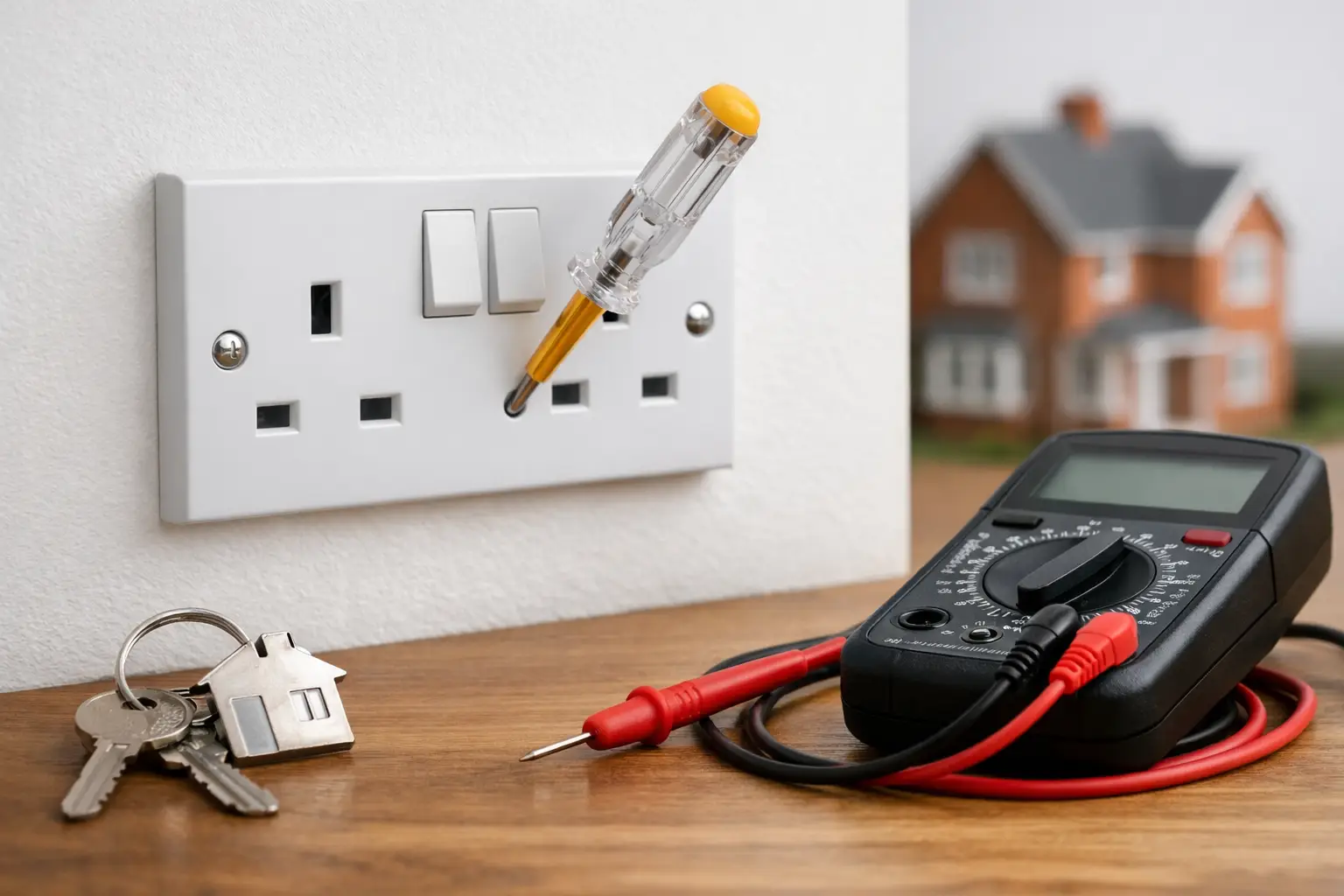
Landlord Electrical Safety Guide for UK Lets
A loose socket found during a tenant move-in, an ageing consumer unit in a void property, or an EICR that has quietly expired can quickly become more than a maintenance job. For landlords, electrical safety affects tenant wellbeing, legal compliance, insurance confidence and whether a property is genuinely ready to let.
This landlord electrical safety guide sets out the practical responsibilities for rented homes in England, the checks worth planning ahead, and the situations where a prompt electrician visit is the sensible next step. The aim is not to make landlords into electricians. It is to help you spot risk early, organise the right work and keep clear records.
Your electrical duties as a landlord
For most privately rented properties in England, the Electrical Safety Standards in the Private Rented Sector (England) Regulations 2020 require landlords to have the electrical installation inspected and tested at least every five years. The inspection must be carried out by a qualified and competent person.
This covers the fixed electrical installation: consumer units, wiring, sockets, switches, light fittings and fixed equipment such as showers or extractor fans. It does not simply mean checking that a few sockets work. A proper inspection assesses the condition of the system, identifies defects and confirms whether it is safe for continued use.
Once complete, you should provide a copy of the Electrical Installation Condition Report, usually called an EICR, to new tenants before they move in. Existing tenants must receive it within 28 days of the inspection. If the local authority asks for a copy, it must be supplied within seven days.
Where an EICR identifies work that needs doing, the report will set out the required action and timescale. Remedial work should be completed within that period, or sooner where the issue creates an immediate risk. Keep written confirmation that the work has been completed and provide it to the tenant and, if requested, the local authority.
The five-year rule is a maximum interval, not a reason to ignore an installation until the deadline. A property with heavy tenant turnover, visible wear, an older installation or repeated electrical faults may need attention sooner.
What an EICR tells you
An EICR gives you a professional view of the condition of the fixed installation at the time of testing. It will normally record observations using classification codes. While the detail is for the electrician to explain, landlords should understand the practical difference between them.
A C1 observation means danger is present and urgent action is needed. C2 indicates a potentially dangerous condition that needs remedial work. FI means further investigation is required without delay. Any of these outcomes means the report will be recorded as unsatisfactory until the relevant issue has been addressed.
A C3 observation is an improvement recommendation. It does not automatically make the report unsatisfactory, but it should not be dismissed without considering the age, condition and future use of the property. For example, upgrading an older consumer unit or improving circuit protection may reduce risk and make future maintenance simpler.
Ask for the findings to be explained in plain language. You need to know what requires immediate action, what can be planned, the likely disruption to tenants and whether other works should be coordinated at the same time. This is especially useful during a void period, when access is easier and related repairs, decorating or cleaning can be organised around the electrical work.
The practical landlord electrical safety guide for every tenancy
Electrical compliance works best as part of a wider property management routine. An EICR is essential, but day-to-day condition still matters between inspections.
Before a new tenancy, check that sockets and switches are secure, faceplates are unbroken, light fittings are sound and no cables are visibly damaged. Test fitted smoke and carbon monoxide alarms as part of the move-in process. Confirm that the consumer unit is accessible and labelled clearly enough for a tenant or contractor to identify circuits in an emergency.
Pay attention to kitchens and bathrooms. These areas combine electricity, moisture and high-use appliances, so defects can become serious quickly. Loose extractor fans, damaged shower switches, cracked sockets near worktops and signs of water ingress should be dealt with promptly by the appropriate professional.
During the tenancy, give occupants a simple way to report faults and take reports seriously. A repeatedly tripping circuit is not a nuisance to be reset indefinitely. It may be caused by an appliance, a damaged cable, moisture, an overloaded circuit or a fault in the fixed installation. The cause needs investigating.
At property inspections, look for warning signs rather than attempting repairs yourself: scorch marks, buzzing sockets, flickering lights, warm switches, broken fittings, exposed wiring and repeated loss of power. If a tenant reports an electric shock, burning smell or sparking, treat it as urgent. If safe to do so, isolate the affected circuit at the consumer unit and arrange a qualified electrician without delay.
Fixed wiring and tenant appliances are different responsibilities
The fixed installation is the landlord’s responsibility. Tenant-owned appliances are normally different, unless the tenancy agreement says otherwise. However, the distinction should not become an excuse for uncertainty when there is a possible safety issue.
Appliances you provide – such as cookers, washing machines, fridges, lamps or microwave ovens – should be safe and maintained in good condition. Portable Appliance Testing, or PAT testing, is not a blanket legal requirement for every appliance at a fixed interval. Yet a sensible, risk-based approach is good practice, particularly for appliances in furnished lets, houses in multiple occupation and properties with frequent changes of tenant.
Visual checks are valuable. Look for damaged plugs, loose leads, cracked cases and signs of overheating. Replace questionable items rather than passing the risk on to a tenant. Keep a record of what was supplied, when it was checked and when it was replaced.
Do not let small repairs drift
Many electrical problems begin as ordinary wear and tear. A cracked socket plate, a bathroom fan that has stopped working or a light that flickers occasionally may seem minor. The right response depends on the fault, but delay often increases cost and disruption.
A non-working extractor fan, for example, can contribute to condensation and mould as well as affecting bathroom safety. A broken outdoor light may affect safe access to the property. A faulty electric shower can leave a tenant without a key facility and may require immediate assessment.
Use a qualified electrician for electrical installation work and verify that the work is tested and certified where required. For certain notifiable work in England, such as some work involving new circuits or consumer unit replacements, ensure the appropriate certification and notification process is completed. Keep these documents with the EICR, invoices and property records.
Cheap, unrecorded repairs are a false economy. They can complicate future inspections, create questions after an incident and make handovers harder when you sell or refinance the property.
Plan testing around voids, renewals and refurbishments
The most efficient time to address electrical work is often before a property is occupied. During a void, contractors have better access to every room, remedial works can be completed without disturbing tenants, and electrical upgrades can be coordinated with plastering, decorating, lock changes or cleaning.
That said, do not postpone necessary work simply because a tenancy is ongoing. A competent contractor can often isolate a circuit, complete targeted repairs and restore use with limited disruption. Clear communication matters: tell tenants what work is needed, when access is required and whether any rooms or services will be temporarily unavailable.
For landlords and letting agents managing several homes, a compliance calendar is worth having. Record the EICR expiry date, alarm checks, appliance reviews, gas safety dates where applicable and planned maintenance. Schedule reminders well ahead of expiry rather than competing for appointments at the last minute.
Keep records that stand up to scrutiny
A tidy property file makes compliance easier to prove and maintenance easier to manage. Keep the current EICR, any previous reports, remedial certificates, electrical installation certificates, invoices and records of reports issued to tenants.
Also record tenant-reported faults, the action taken and completion dates. This provides a clear maintenance history and helps identify recurring issues. If a circuit has tripped several times or the same bathroom fan has failed repeatedly, the pattern may point to a larger problem worth resolving properly.
For managed portfolios across East Sussex, using one dependable maintenance partner can reduce the time spent chasing separate trades and piecing together paperwork. Action Property Group can support electrical testing, remedial works and wider property turnaround tasks so that compliance work fits the real demands of letting and maintaining a property.
Electrical safety is not achieved by filing an EICR and forgetting it for five years. It comes from regular attention, quick action when faults arise and a clear record that your property has been kept safe for the people living in it.




No Comments